
Basilica of La Encina
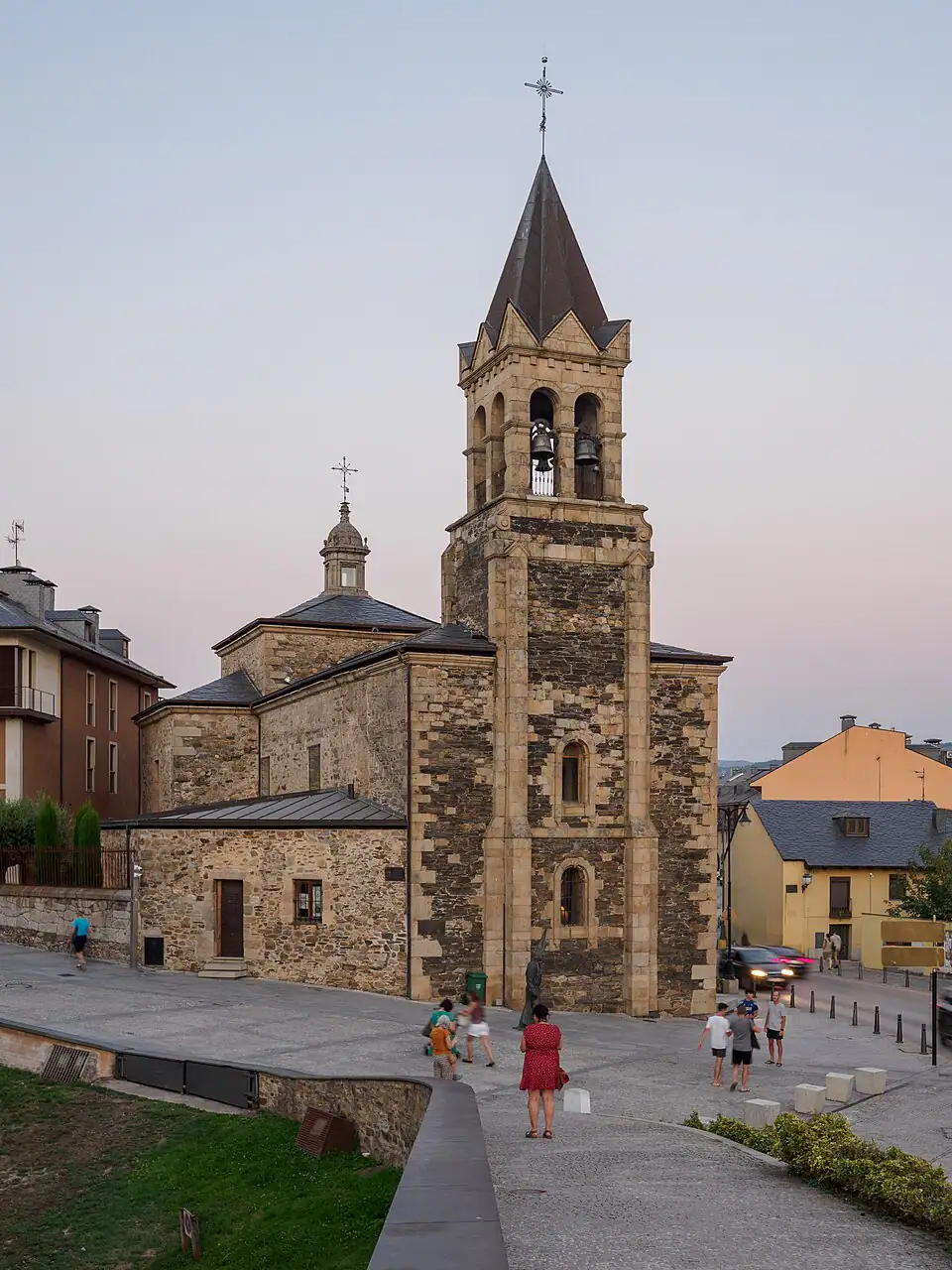
At the top of the old town, between the castle and the Clock Tower, the Basilica of La Encina keeps «La Morenica», the Virgin who is patron of El Bierzo. It is a Renaissance church that took a century to build, with a Baroque tower visible across the city and a legend linking it to the Templars.
From Santa María de la Plaza to La Encina
The present church stands on the site of the old 12th-century church of Santa María, which had five altars and a bell tower with four bells. Until the 17th century it was called Nuestra Señora de la Plaza. Criticised for its size and architecture, it was replaced by a new church, says the town council’s tourist guide.
The Tourist Office places the start of works before 1573, to plans by Juan Alvear; the guide gives 1573 as the start and adds that they ended a century later. The Junta de Castilla y León presents it as a 16th-century Renaissance landmark and a much-visited place of Marian devotion, especially during local festivities.
A mix of styles
The long building period meant several architects worked on it and changed the design. The result is a Latin-cross church divided into three bays by buttresses, with barrel and rib vaults (guide).
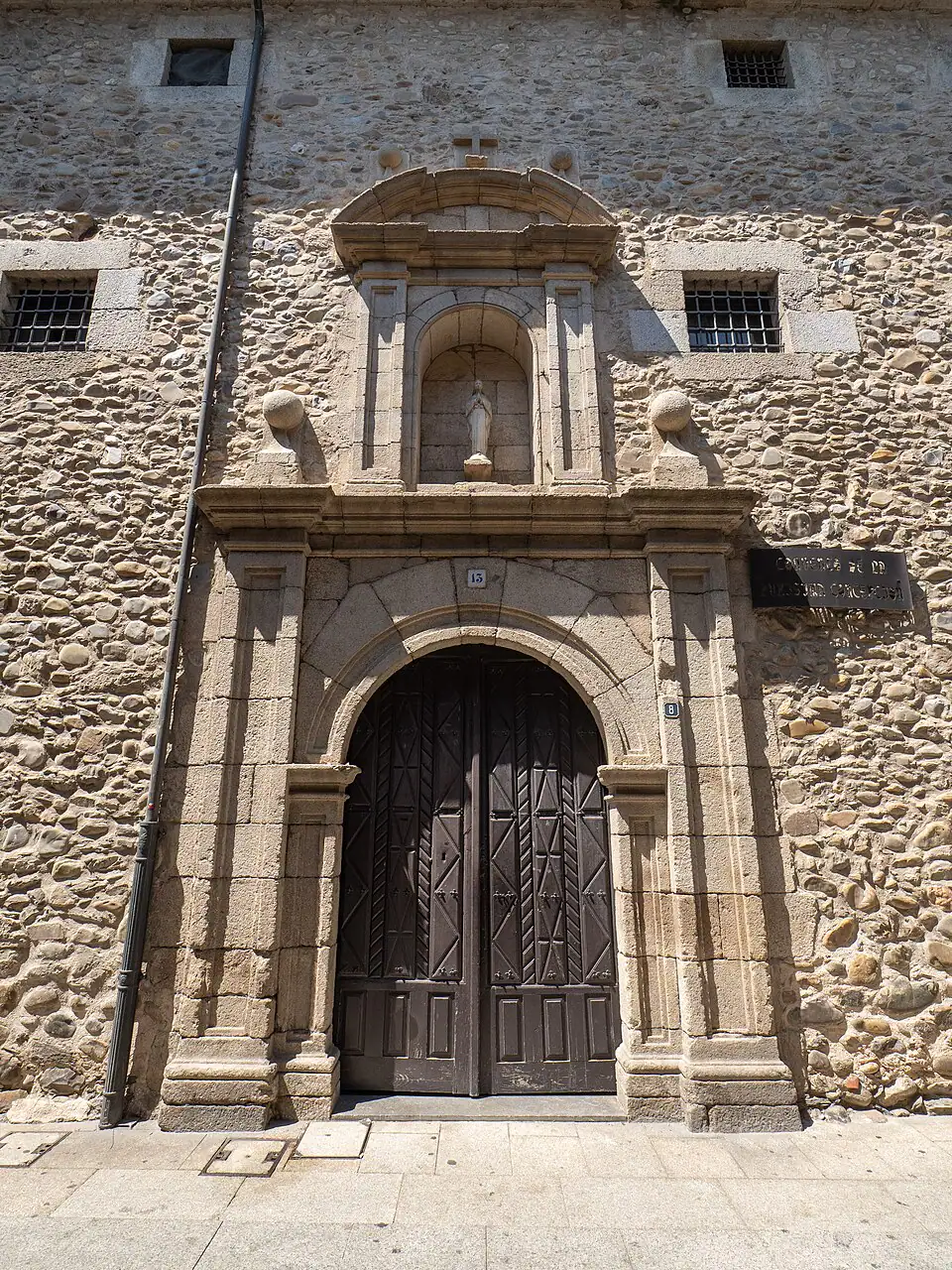
The side portal, which is the main entrance, is a round arch between two pairs of Doric columns on plinths, crowned by a niche. The tower was begun in 1614 and work continued throughout the 17th century; the Virgin’s camarín (shrine chamber) was built in the 18th (Tourist Office). The municipal guide describes the tower as Baroque with Galician influence.
Legend says the Templars found the image of the Virgin hidden inside a holm oak (encina) — hence the name.
The high altarpiece
Inside, the highlight is the high altarpiece in polychrome wood, of the Gregorio Fernández school, dated 1630–1640 by the Tourist Office. The guide ranks it among the most important Baroque altarpieces of the 17th century and notes the hand of Mateo Flórez and of the great sculptor’s pupils.
In the centre, from a camarín, La Morenica presides. Above it is the most valuable relief, the Ascension; the top ends with Christ crucified and the city’s coat of arms on either side. The altarpiece rests on four reliefs of the Evangelists and other biblical scenes.
La Morenica and the holm-oak legend
The Virgin of La Encina is patron of El Bierzo and, according to the guide, one of the few Black Virgins in existence. The legend says Saint Toribio, Bishop of Astorga, brought her from the Holy Land and that she was hidden to protect her from the Muslim invasions. All trace was lost, and centuries later the Templars found her concealed inside a holm oak while gathering wood. The Tourist Office itself notes that the story contains an «evident anachronism».
The town council’s history page dates the find to around 1200 and lists it among the deeds tradition attributes to Ponferrada’s Templars.
Visiting
Open 9:00–14:00 and 16:30–20:30; visits take place every day after services (Tourist Office). Information: Tourist Office, +34 987 424 236. It is a working church: please respect services.
Getting there from the Camino Francés
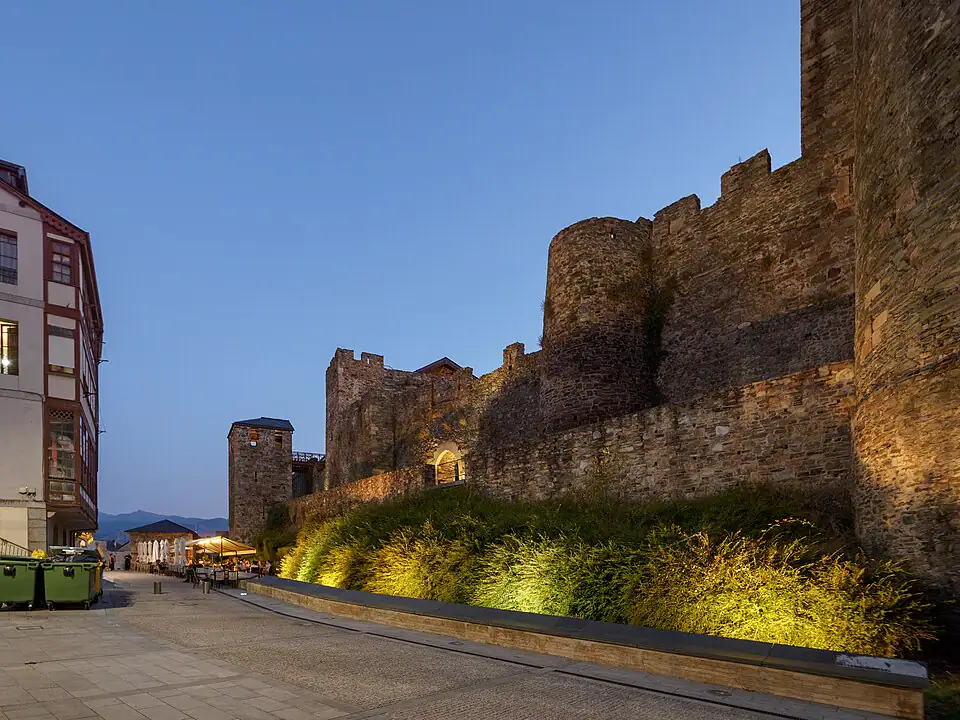
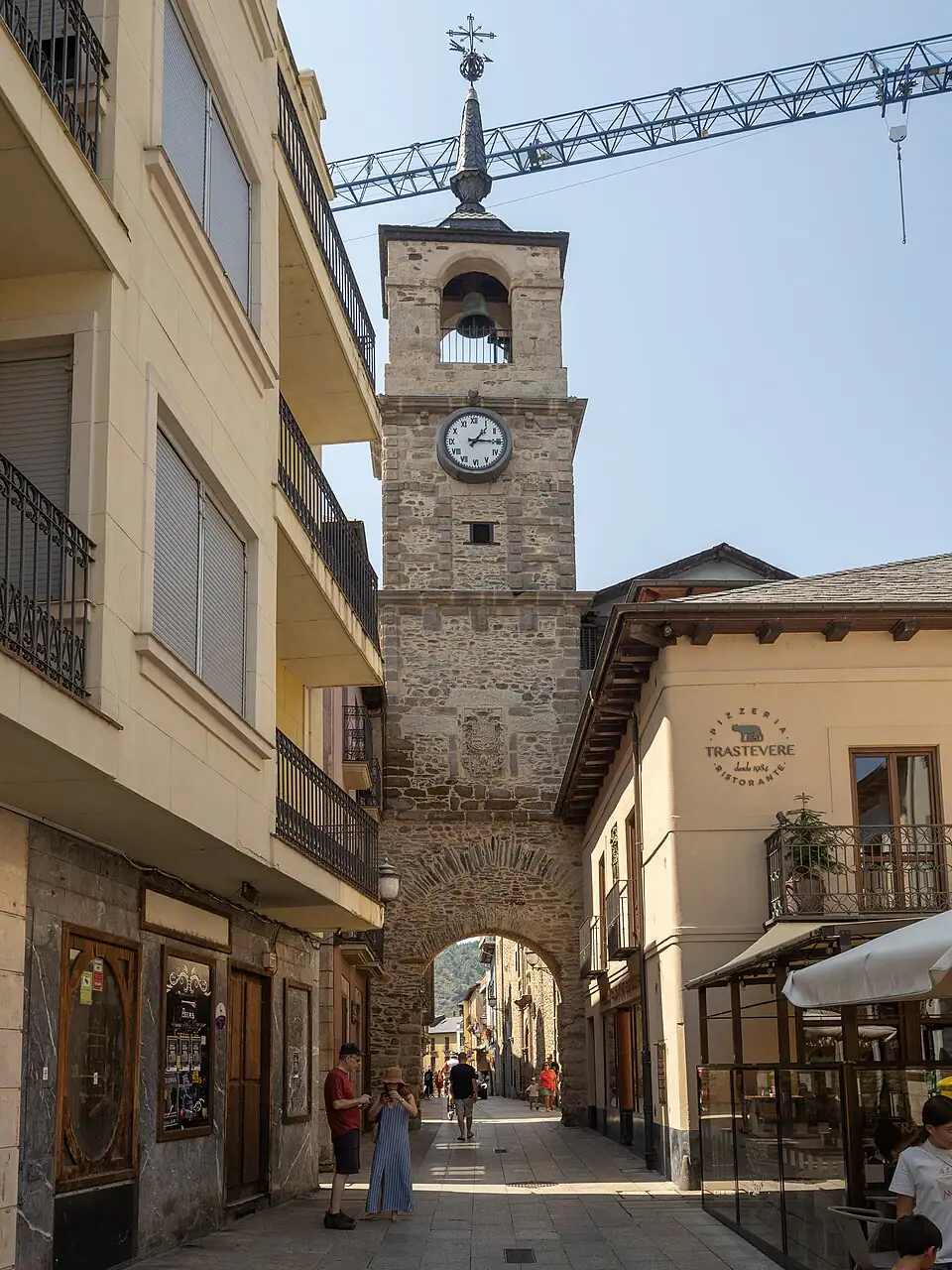
The basilica is on Plaza de la Encina in the old town, a few steps from the Templar Castle and the Clock Tower. The Camino crosses the square. The Camino Francés runs through Ponferrada: the Foncebadón → Ponferrada stage ends in the city and the Ponferrada → Villafranca del Bierzo stage starts here. The Camino de Invierno (Winter Way) also begins here (municipal guide). Find it on the map.
What to see nearby
-
Tower / castleProtected heritage (BIC)
Castillo de los Templarios
-
ChurchProtected heritage (BIC)
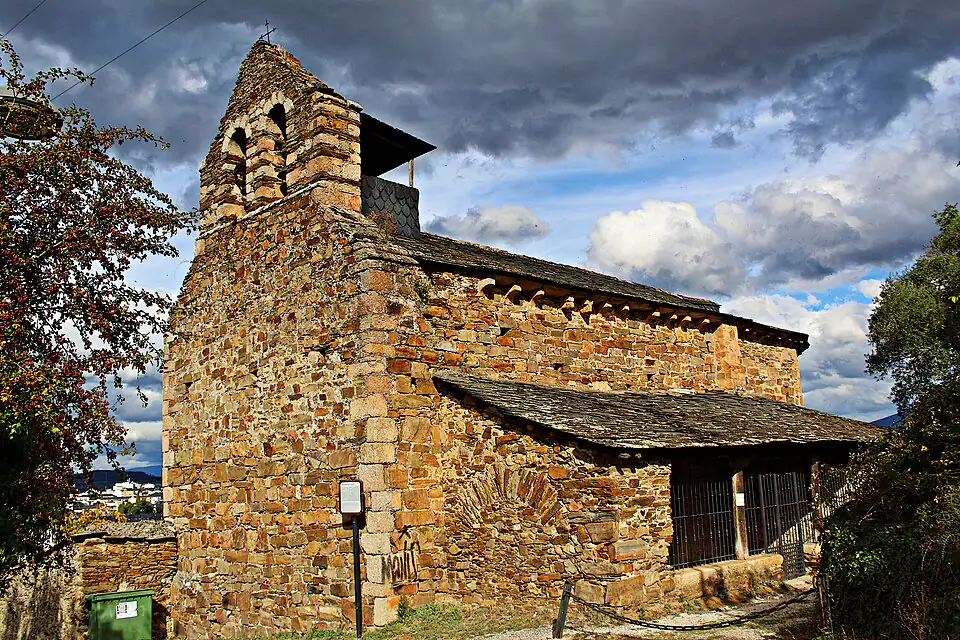
Iglesia de Santa María de Vizbayo

Frequently asked questions
Why is it called «La Encina»?
Because of the legend: the Templars are said to have found the image of the Virgin hidden inside a holm oak (encina).
Who is La Morenica?
The Virgin of La Encina, patron of El Bierzo, one of the few Black Virgins.
How old is the basilica?
Work began in 1573 (earlier, says the town council) and lasted a century; the tower is 17th-century and the camarín 18th-century.
Can I visit?
Yes, 9:00–14:00 and 16:30–20:30, respecting services.
Sources and review
- Ayuntamiento de Ponferrada, Turismo: Basílica de la Encina · accessed 26 Nov 2026
- Ayuntamiento de Ponferrada, Turismo: Location and history · accessed 26 Nov 2026
- Ayuntamiento de Ponferrada: guía turística «Ponferrada, lugares para imaginar» (PDF) · accessed 26 Nov 2026
- Junta de Castilla y León, Turismo: Ponferrada (Conjunto Histórico) · accessed 26 Nov 2026
- © Zarateman · CC0