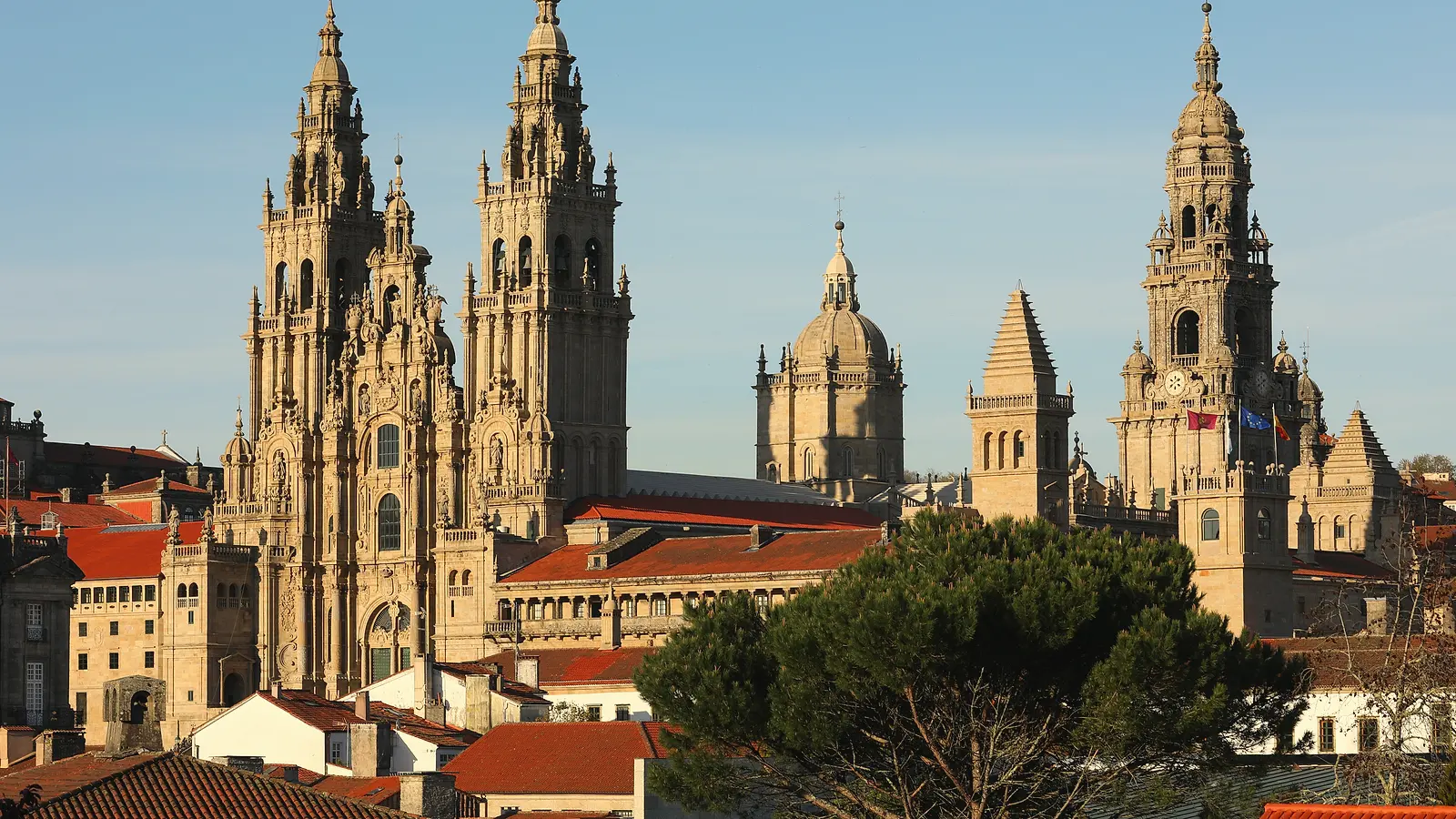
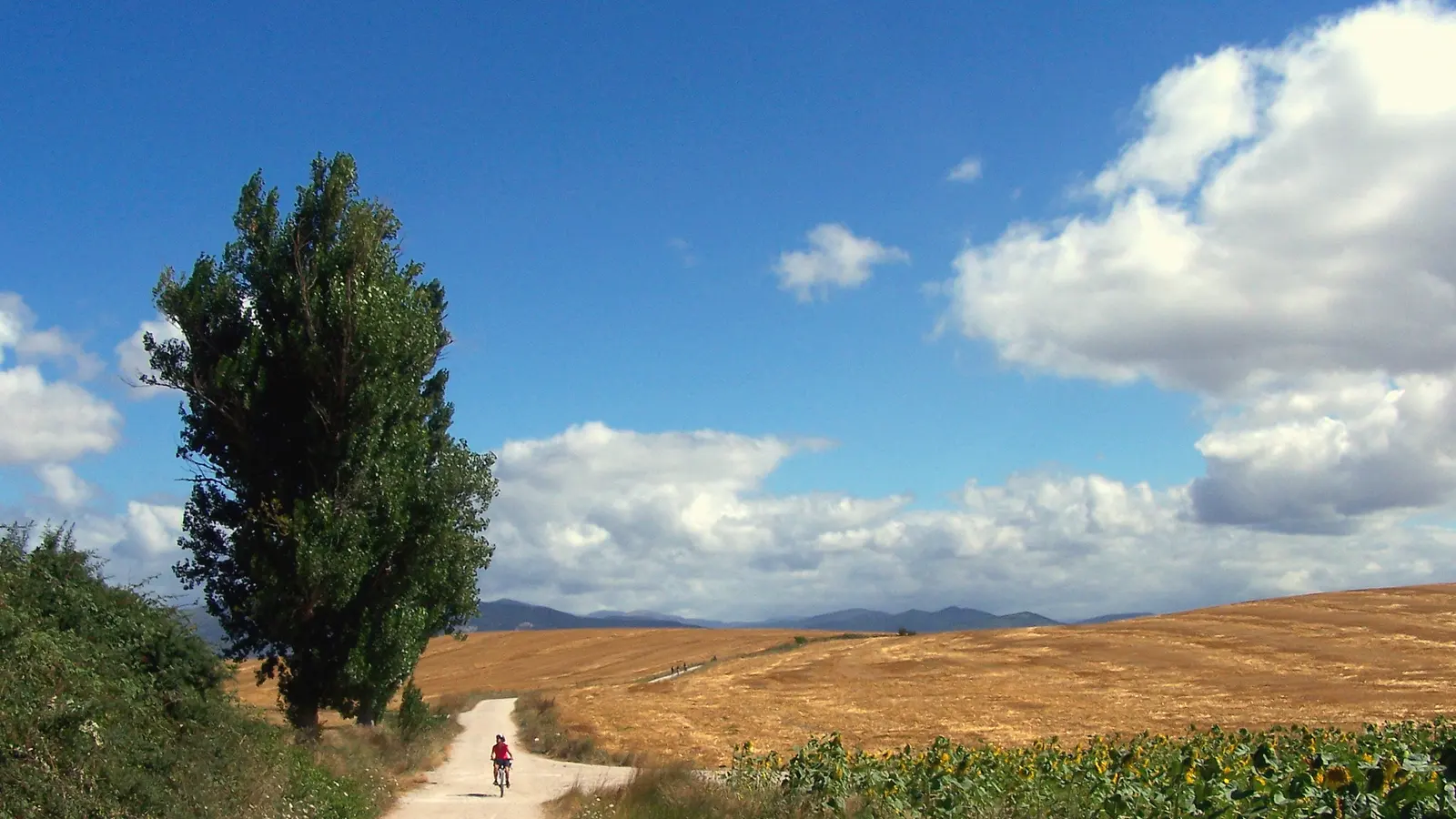
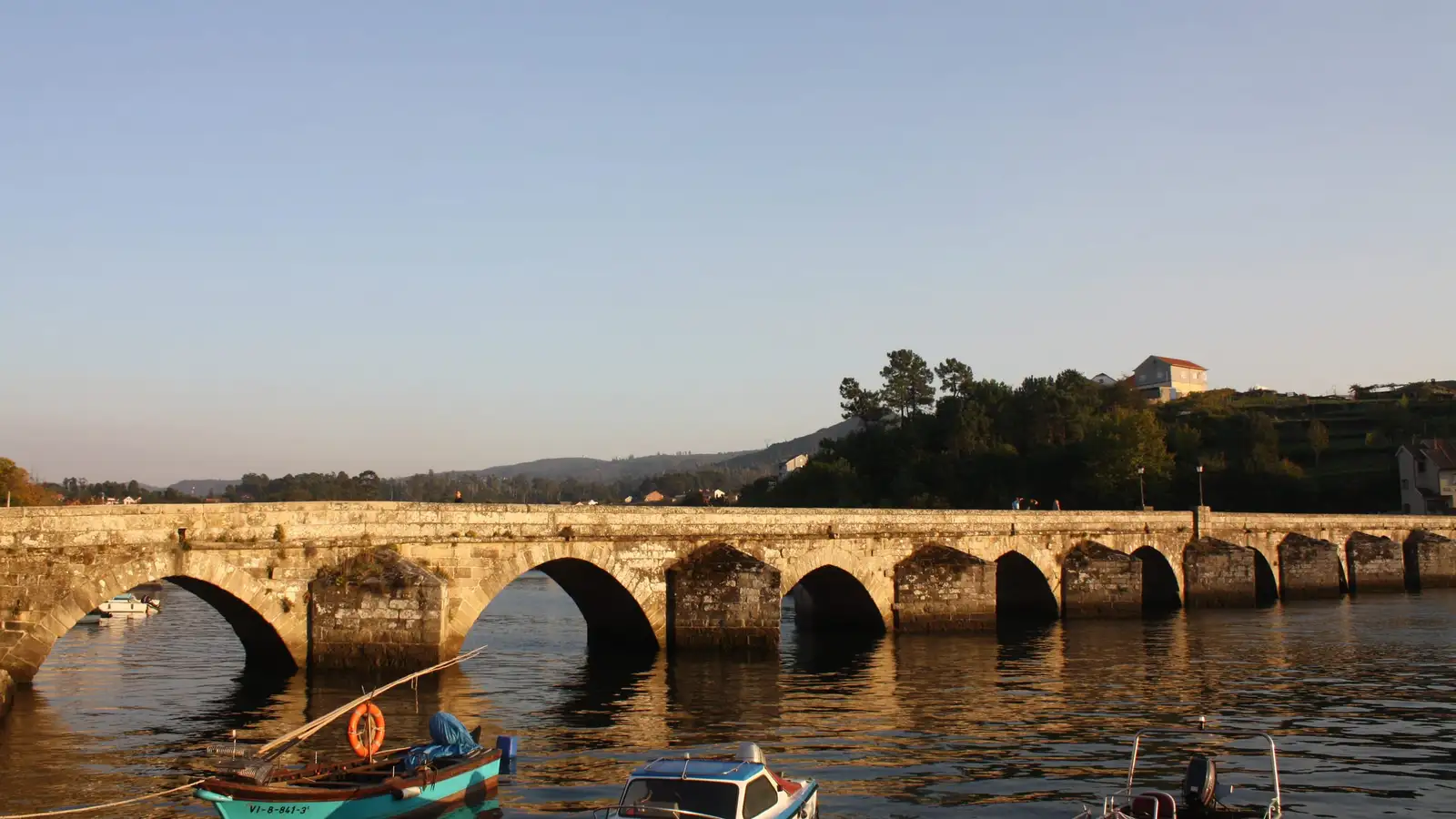
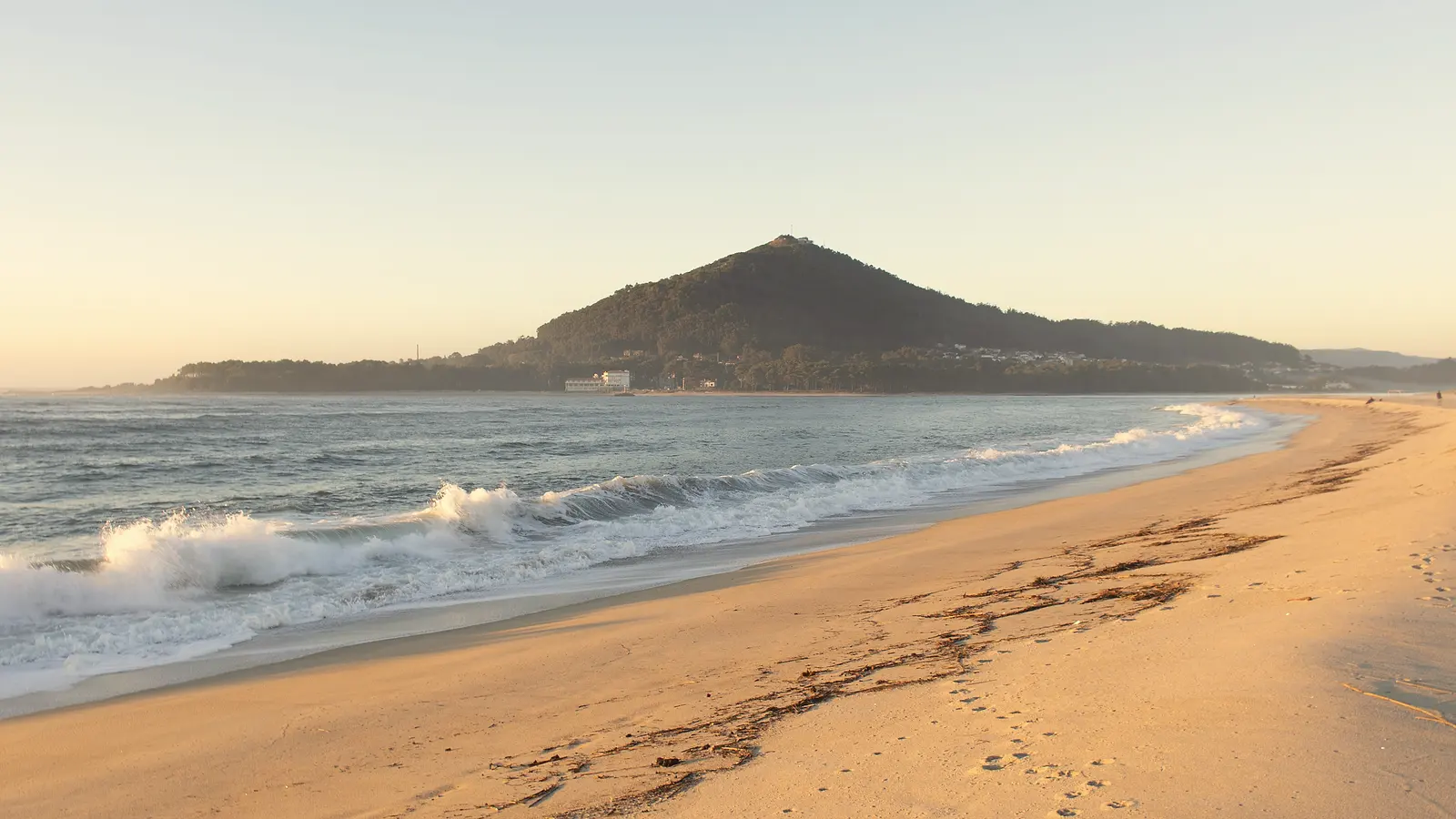
The Camino Francés is the classic route: it crosses the Pyrenees, Navarre, La Rioja, the Castilian plateau and the mountains of León before entering Galicia at O Cebreiro. It has the most pilgrims, the most accommodation and the best waymarking.
Best for: First Camino, atmosphere, best infrastructure
The central Camino Portugués leaves Porto, climbs the Minho to Valença and crosses into Galicia at Tui. It is the second most walked route, with gentle stages and a good choice of hotels and apartments in every village.
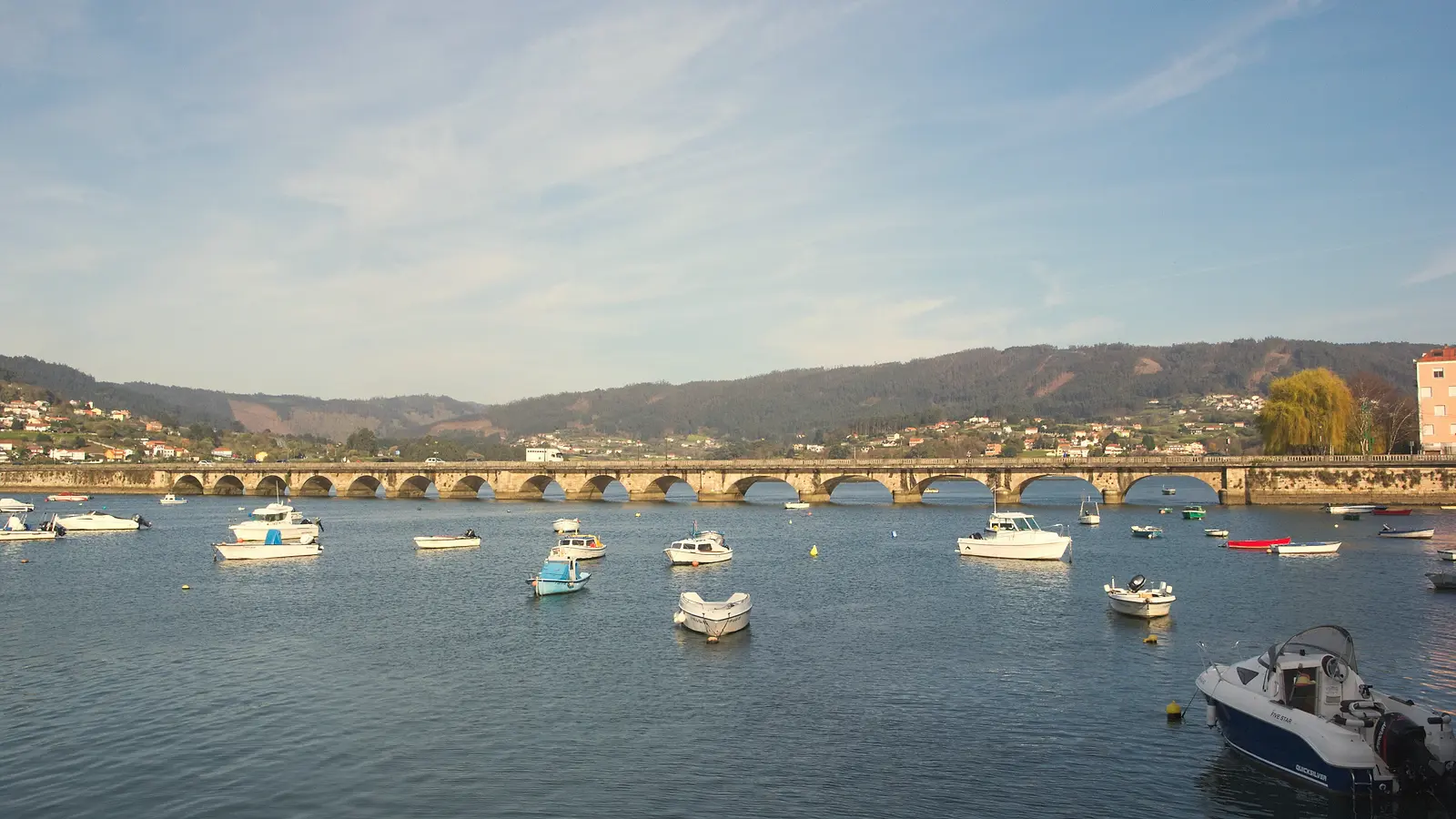
The coastal Camino Portugués follows the Atlantic from Porto to Caminha, crosses the Minho by boat to A Guarda and hugs the Galician coast through Baiona and Vigo until it joins the central route at Redondela.
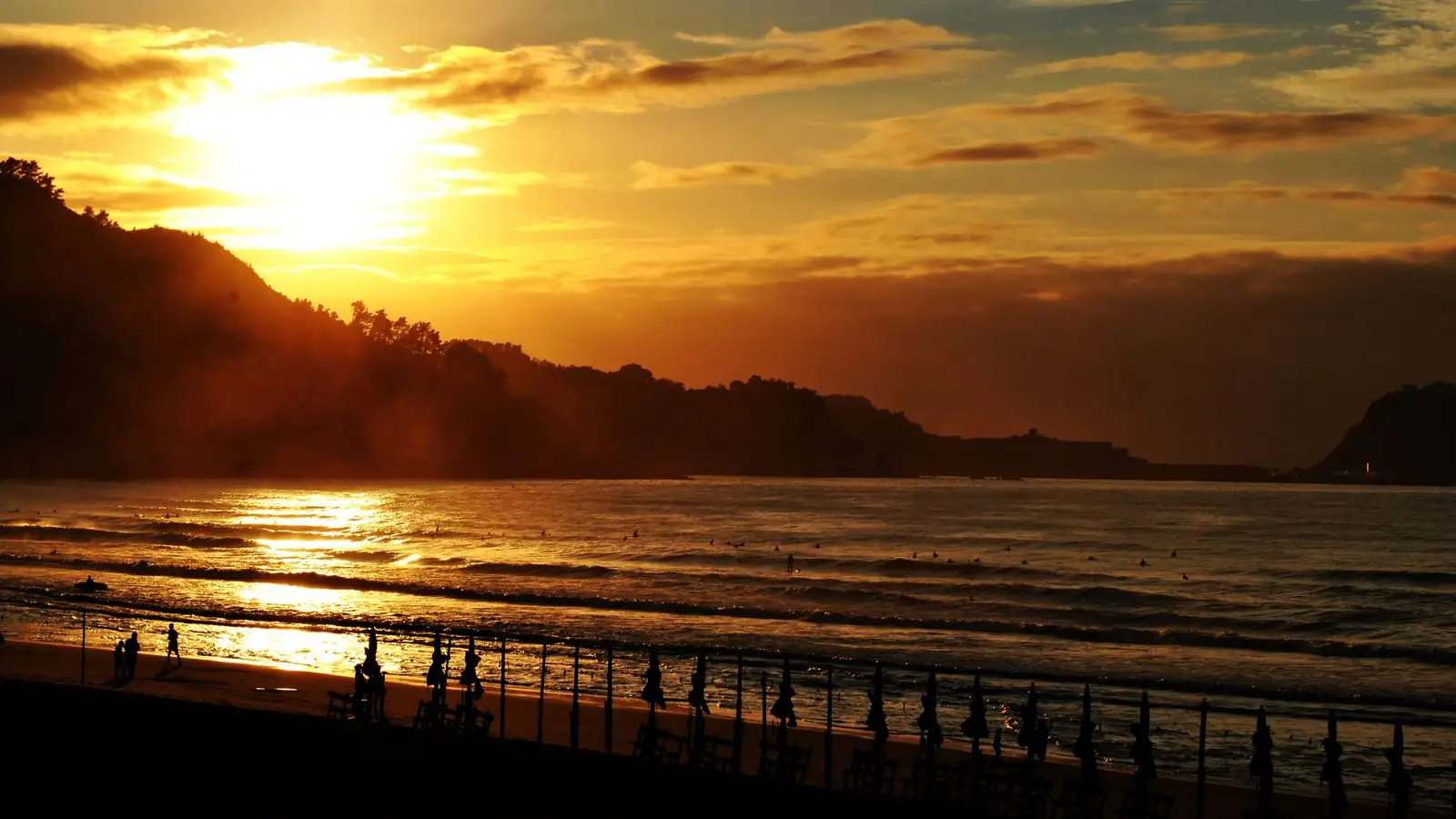
Best for: Sea, beaches and boardwalks; flat and windy
The Camino Inglés is the shortest route that qualifies for the Compostela: 112 km from Ferrol through estuaries, forests and inland villages of A Coruña. Ideal for a week and very quiet outside summer.
Best for: One week, few people, forests and estuaries
The Camino del Norte runs from Irún to Santiago along the coast of the Basque Country, Cantabria and Asturias, enters Galicia at Ribadeo and joins the Francés at Arzúa. Some 830 km in 35 stages, with the sea in sight for weeks.
Best for: Sea and mountains, fewer people, several weeks
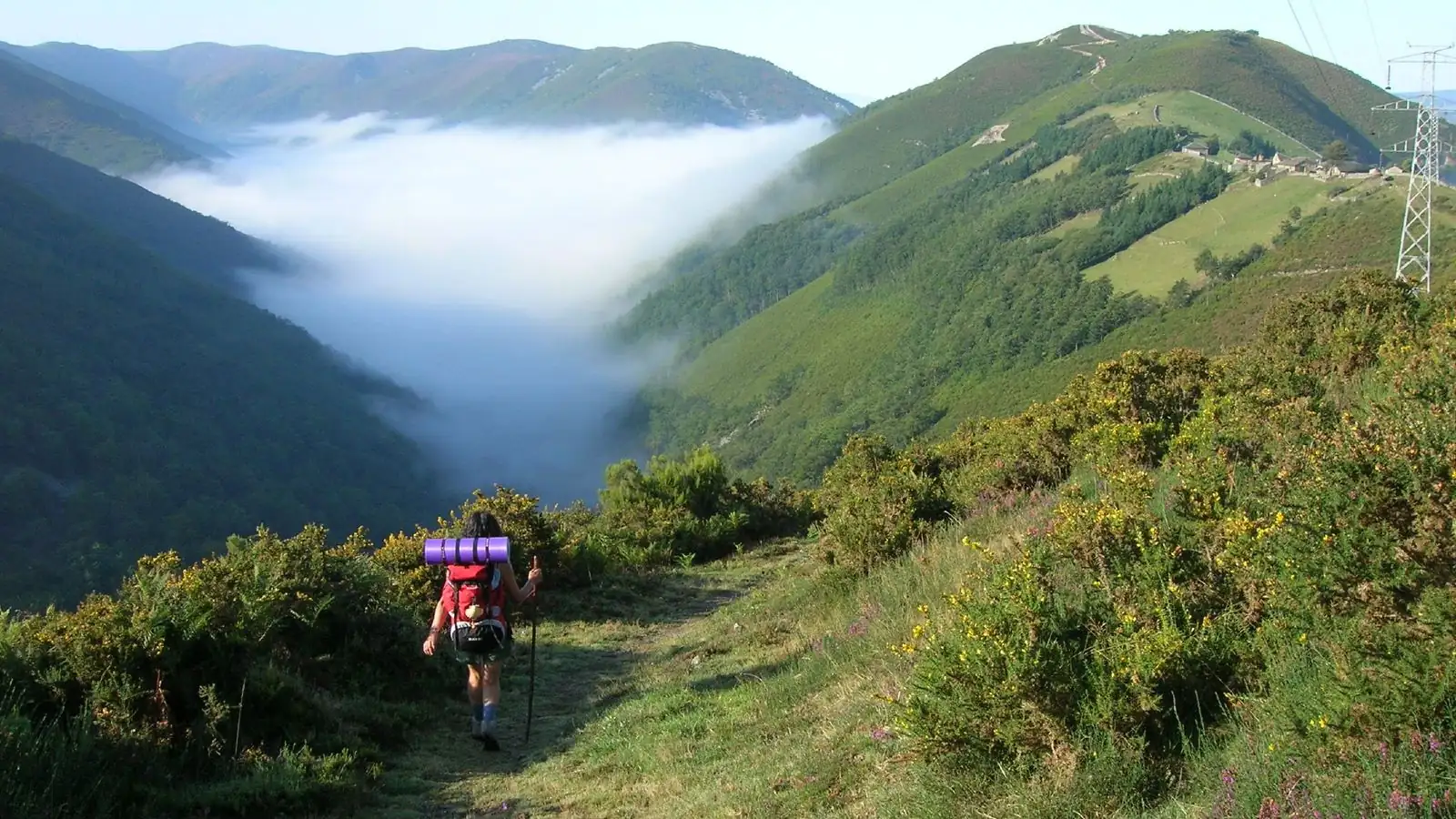
The Camino Primitivo is the oldest route: King Alfonso II followed it in the 9th century, from Oviedo to Santiago. Some 320 km in 14 mountain stages across Asturias and Galicia, joining the Francés at Melide.
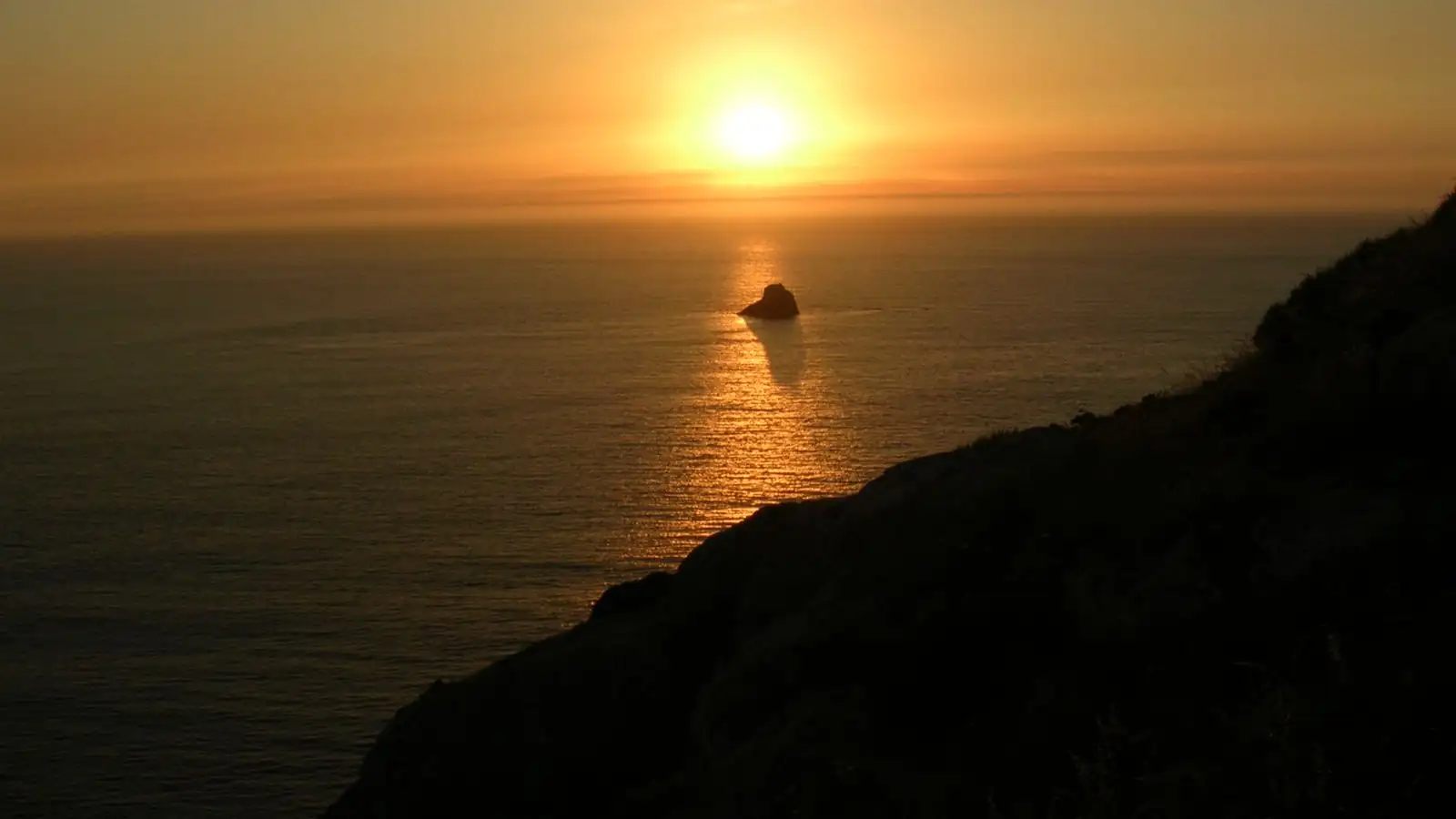
The Camino to Fisterra and Muxía is the only one that leaves from Santiago: it heads for the sea through Negreira, Olveiroa and Corcubión to Cape Fisterra, then on to Muxía. Some 119 km in 5 stages, counting the link between Fisterra and Muxía.
The Camino de Barbanza «A Orixe» starts at Corrubedo lighthouse (Ribeira) and follows the north shore of the Ría de Arousa through A Pobra do Caramiñal, Boiro and Rianxo to Padrón, where it joins the Portugués. Some 139 km in 6 stages.
Best for: One week by the estuary, away from the crowds
How long does it take to walk the Camino de Santiago?
From five days to five weeks, depending on where you start. The full Camino Francés from Saint-Jean-Pied-de-Port takes 31–35 days; the last 100 km, from Sarria or Tui, take five or six. Most pilgrims walk for about a week.
The Camino Francés from Sarria or the Camino Portugués from Tui. Stages run 16 to 29 km on well-marked paths, with a village every few kilometres and plenty of rooms. For quieter trails, the Camino Inglés from Ferrol is just as manageable and far less busy.
How many km do you need to walk for the Compostela?
At least 100 km on foot or horseback, or 200 km by bike, ending in Santiago. Your credential needs two stamps a day on that stretch. The Pilgrim Office gives the Compostela for a religious or spiritual pilgrimage; otherwise you get a welcome certificate.
From the Pilgrim Office in Santiago, parishes, confraternities and Camino associations such as American Pilgrims on the Camino or the Confraternity of Saint James, or at many hostels at the start. It costs a few euros. Get it before you set off so your first stamp is from day one.
No. People of every faith and none walk it for sport, culture or time to think. Only the Compostela asks for a religious or spiritual motive; pilgrims who walk for other reasons still receive a certificate at the Pilgrim Office.