Philippe Cousteau Anchor Museum
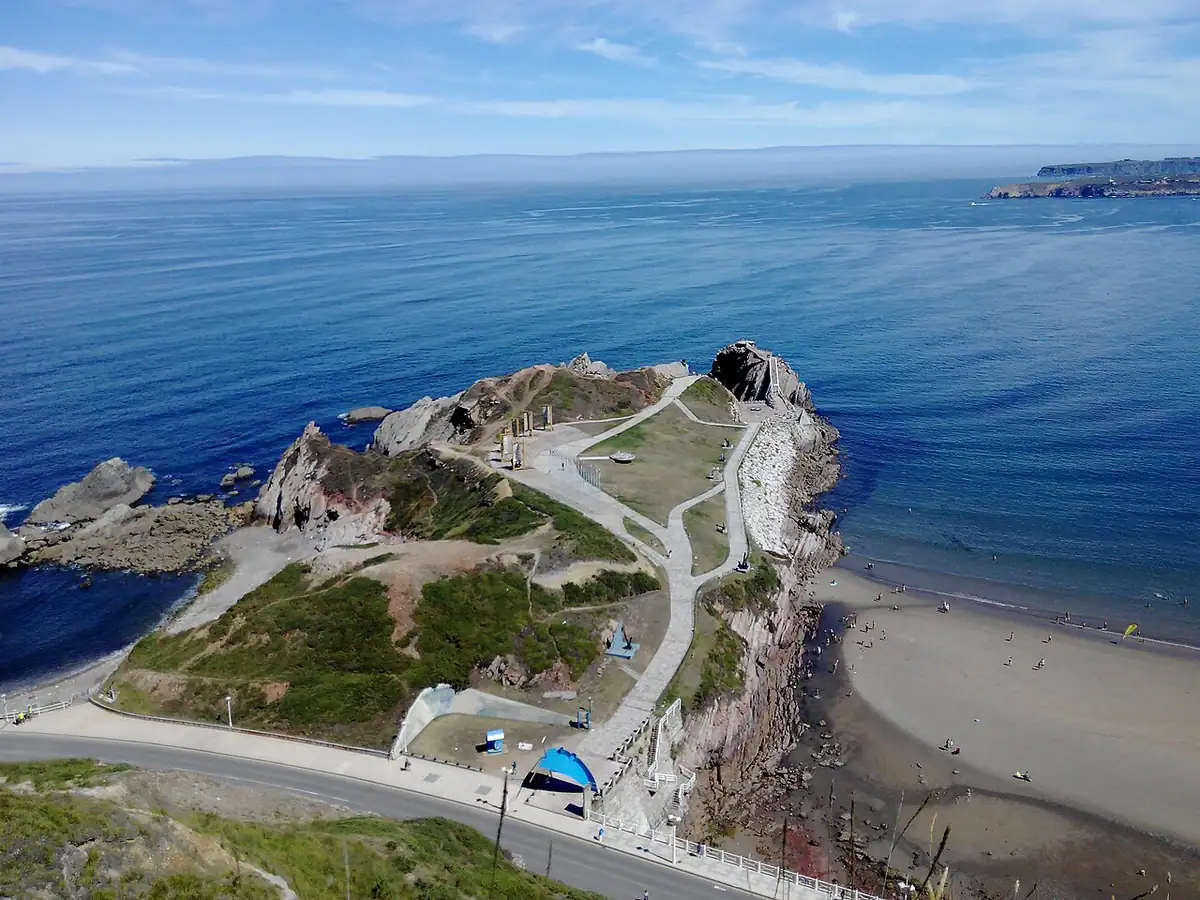
On the La Peñona peninsula, which rises like a watchtower at one end of Salinas beach, the Philippe Cousteau Anchor Museum is an open-air monumental ensemble: a tribute to the sea, its people and its culture.
What it is
According to Turismo Asturias, the museum is an original creation paying tribute to the sea, its people and the whole culture it stands for. It is not a building: its works are spread across La Peñona, a sea-girt headland at the end of Salinas beach.
For Turismo Asturias, the bronze bust of Philippe Cousteau on the Peña Lisa rock symbolises a life devoted to the sea, whose human and scientific values set the course for many generations.
What to look at
The deck of sails and anchors is a platform 90 metres long, 6 wide and 2 high, with six sheet-steel sails; from them run the chains of the anchors resting on the deck. At the entrance, a large ceramic mural is built into the access square.
At the centre of the curve of sails is the Temple of the Oceans, a compass rose holding the vessel into which waters from different oceans are poured. A bowl-shaped viewpoint cantilevered over the sea at the tip of La Peñona completes the ensemble. See the photo.
On a sea-beaten rock, the Peña Lisa, stands the large bronze bust of Philippe Cousteau.
Getting there from the Northern Way
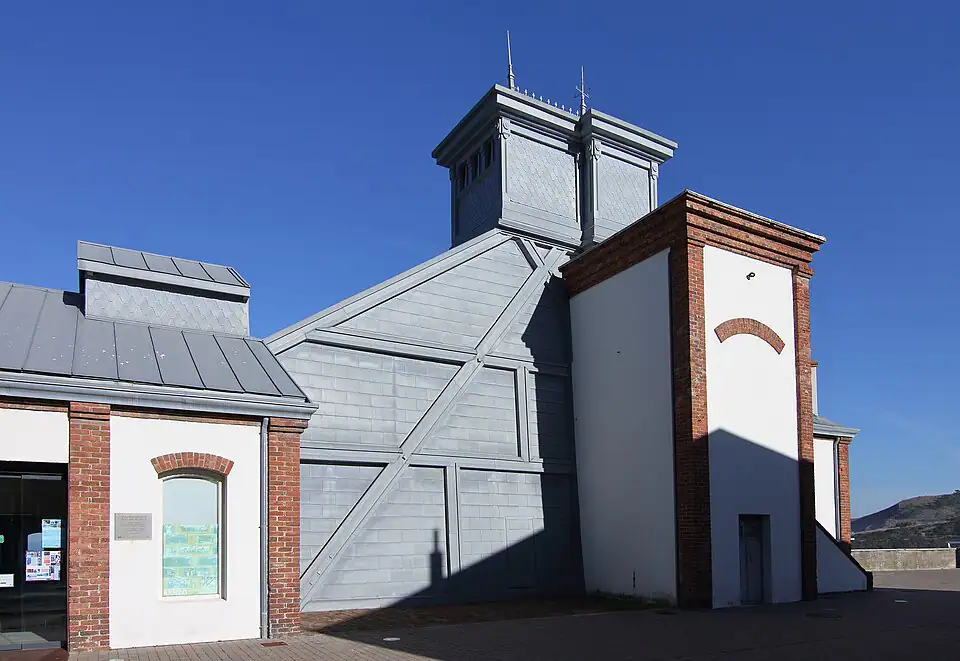
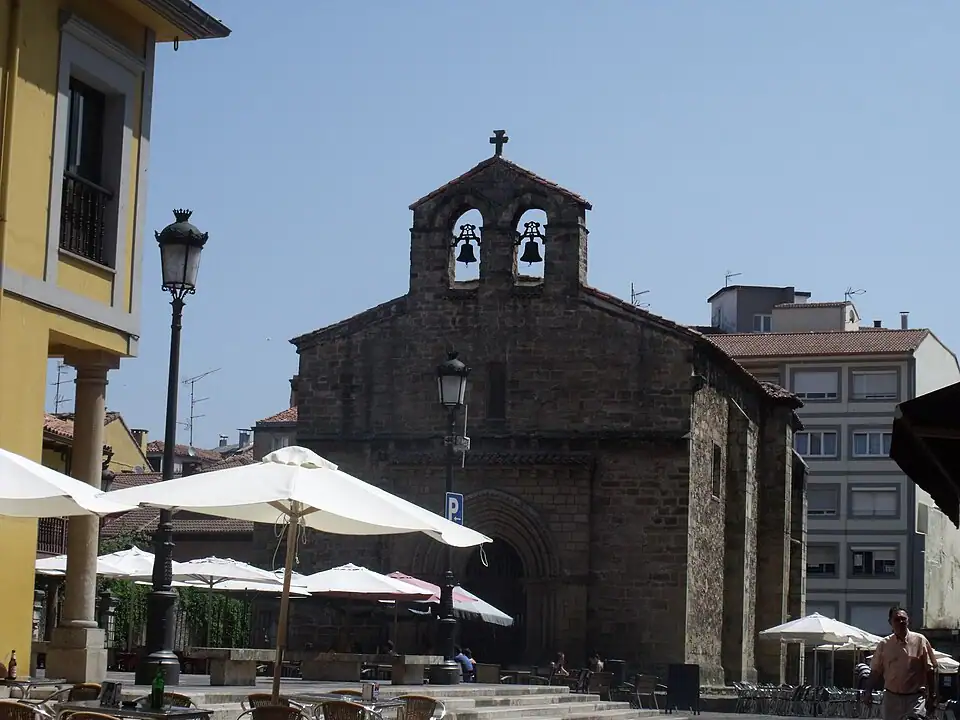
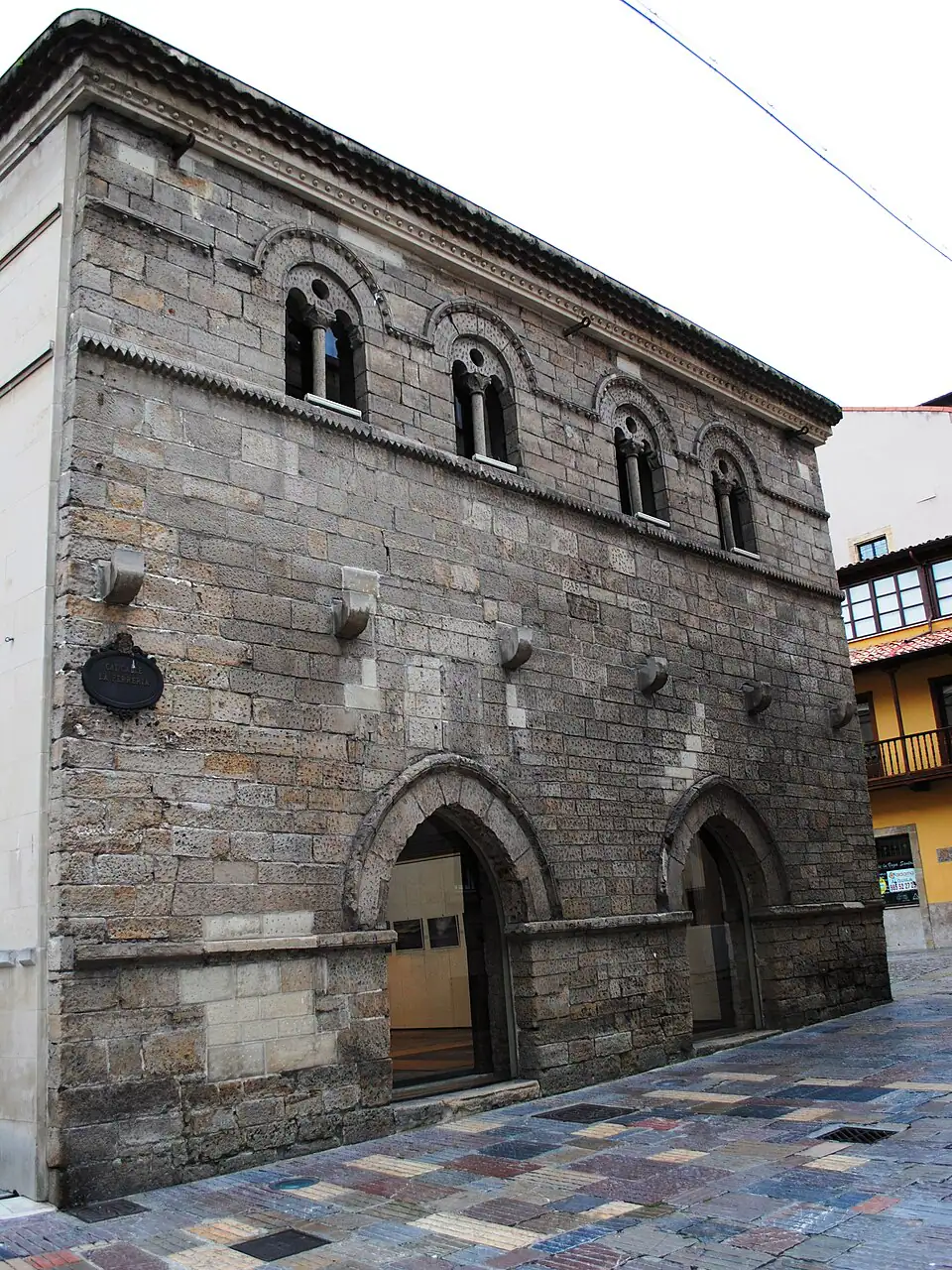
It is in Salinas, in the municipality of Castrillón. On Xacobea, Castrillón belongs to the Avilés – Muros de Nalón stage of the Northern Way. The Arnao mine is nearby too. Find it on the map.
What to see nearby


Frequently asked questions
Where is the Anchor Museum?
On the La Peñona peninsula, at one end of Salinas beach (Castrillón).
What is there to see?
A platform with six steel sails and anchors, a bronze bust of Philippe Cousteau, a ceramic mural, the Temple of the Oceans and a viewpoint over the sea.
Is it an indoor museum?
No, it is an open-air monumental ensemble.
Sources (1)
- Turismo Asturias: Museo de Las Anclas (Salinas, Castrillón) (accessed 21 Nov 2026)
- © Angelrtz (CC BY-SA 4.0)